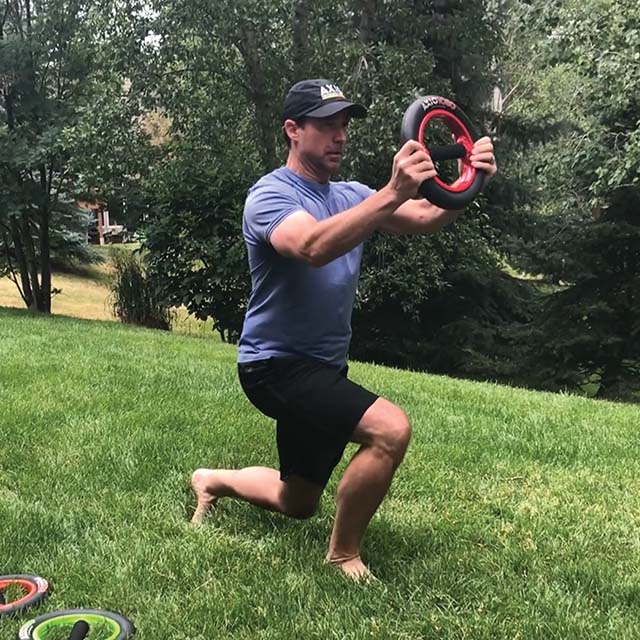
About AXIO
About AXIO


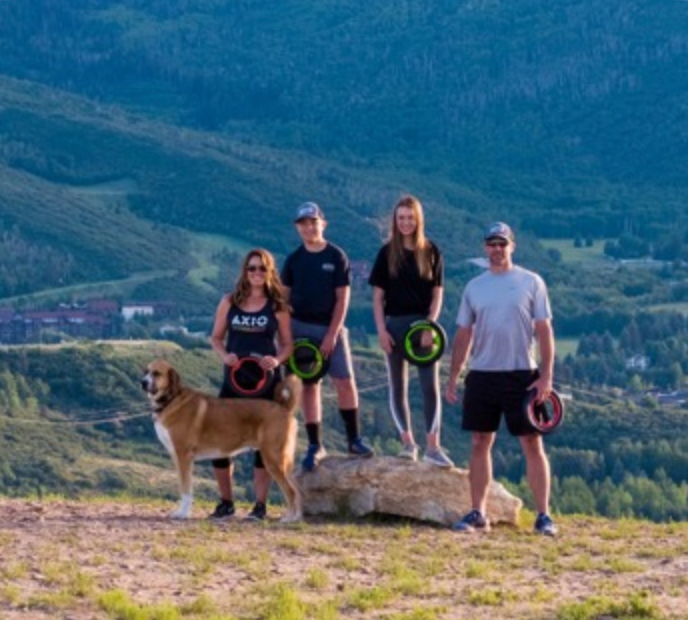
AXIO Centripetal Training was created by Ted Bezemer, an orthopedic physical therapist, strength coach, and lifelong athlete based in Park City, Utah. For nearly 30 years, Ted has helped athletes recover from injury and perform at their best.
But AXIO didn't begin as a business idea.
It began with an injury.
Several years ago, Ted dislocated his shoulder while playing hockey, injuring both the rotator cuff and labrum. As a physical therapist who had spent his career helping others recover from injury, he suddenly found himself facing the same difficult decisions as many of his patients. Surgery was strongly recommended, but before committing to that path, he wanted to explore every possible option.
Ted wasn't interested in simply returning to where he was before the injury.
He wanted to return to the activities he loved, throw a baseball with his son again, and continue competing without constantly worrying about his shoulder. He wanted to come back stronger, more resilient, and with a higher level of both strength and control than before.
During his recovery, Ted recognized a challenge that extended far beyond his own shoulder injury.
Many rehabilitation tools and methods prioritize neuromuscular control, but often at low resistance levels. Traditional strength training develops higher levels of force production, while many neuromuscular qualities are challenged to a lesser degree.
As Ted looked across both rehabilitation and performance training, he found surprisingly few methods capable of challenging both strength and neuromuscular control at a high level simultaneously.
Ted wanted both.
To do that, he believed he needed a training method capable of developing both strength and neuromuscular control without forcing a compromise between them.
He wasn't looking for a rehabilitation tool that could be used for training. He wanted a training tool that could be used throughout rehabilitation, performance training, and everything in between.
It also needed to be progressively challenging. As users improved, the demands for strength, timing, coordination, and force control needed to increase right along with them.
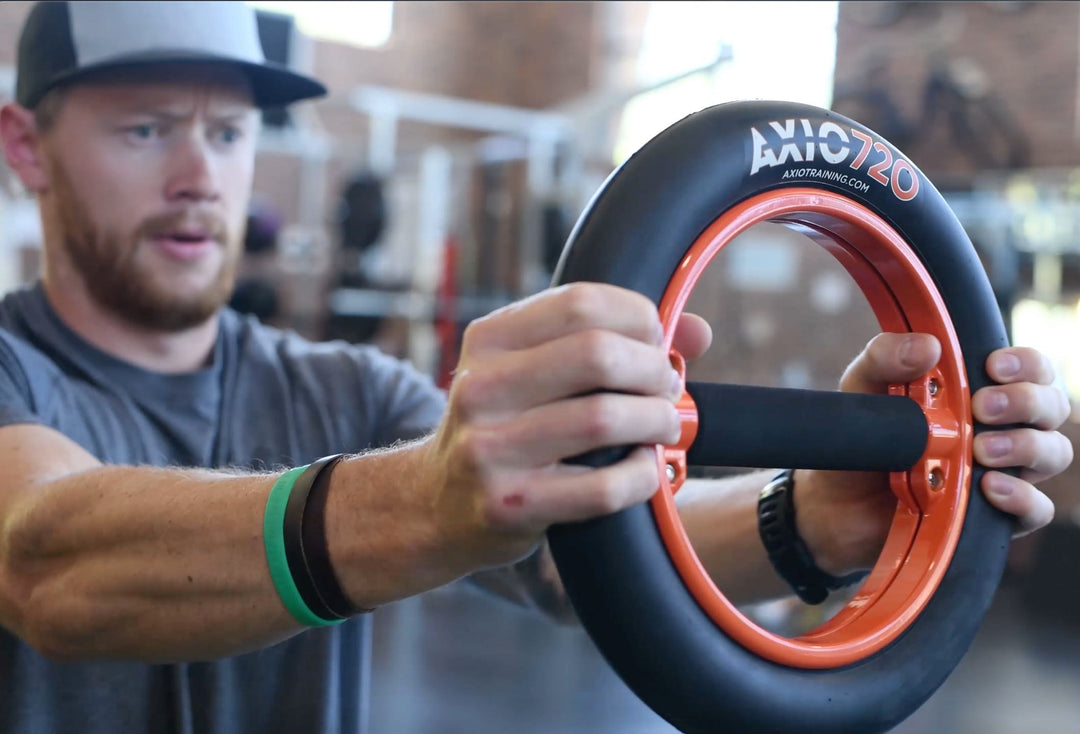
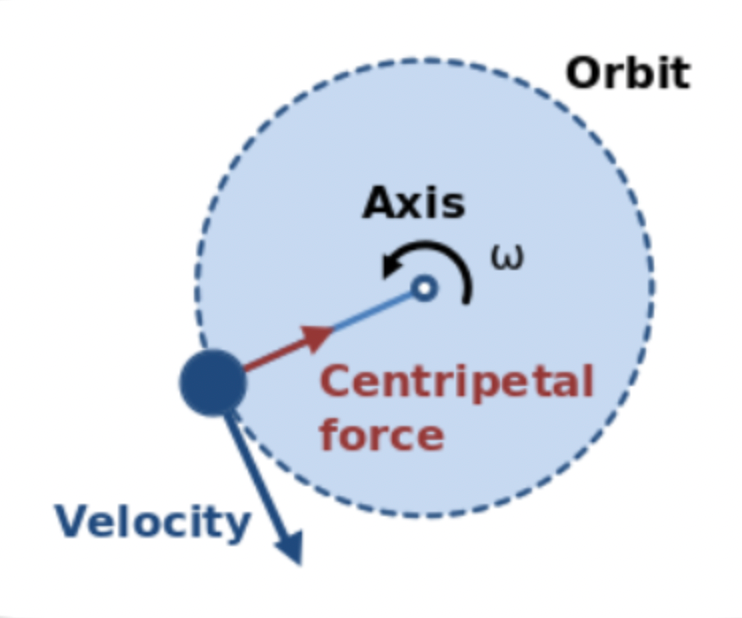
Ted began exploring ways to create a training stimulus that was more reactive and demanding than traditional resistance training, yet could still be performed with relatively low loads and minimal joint stress.
The result was something entirely different.
Instead of simply resisting load, the body was forced to continuously sense, adapt, and modulate force in real time. The training challenged not only strength, but also timing, coordination, dynamic stability, and force control.
It quickly became apparent that meaningful training effects could be achieved in less time, using lighter loads and with less joint stress than many traditional training methods.
Ted termed this concept Centripetal Training.
Most importantly, it worked.
Over time, Ted regained confidence in his shoulder and returned to training, competition, and the activities he loved without limitations.
What happened next was unexpected.
Athletes, clients, and colleagues began asking to use the training devices Ted had created for himself. What started as a personal solution quickly revealed broader applications for rehabilitation, performance training, arm care, conditioning, balance, and athletic development.
The feedback was remarkably consistent. The training felt different. It was challenging, reactive, efficient, and surprisingly engaging.
What began as a search for better recovery evolved into an entirely new approach to training strength and control.
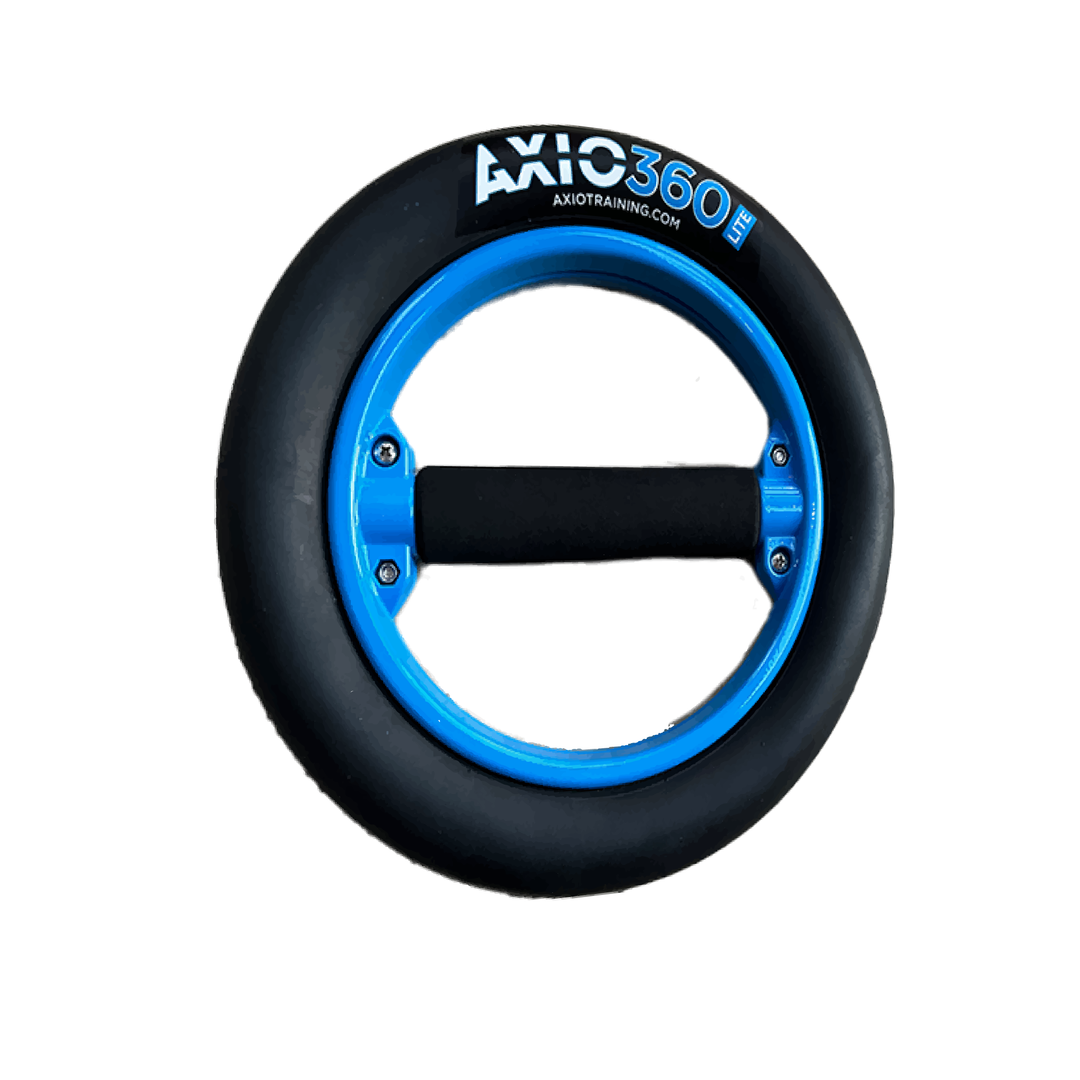
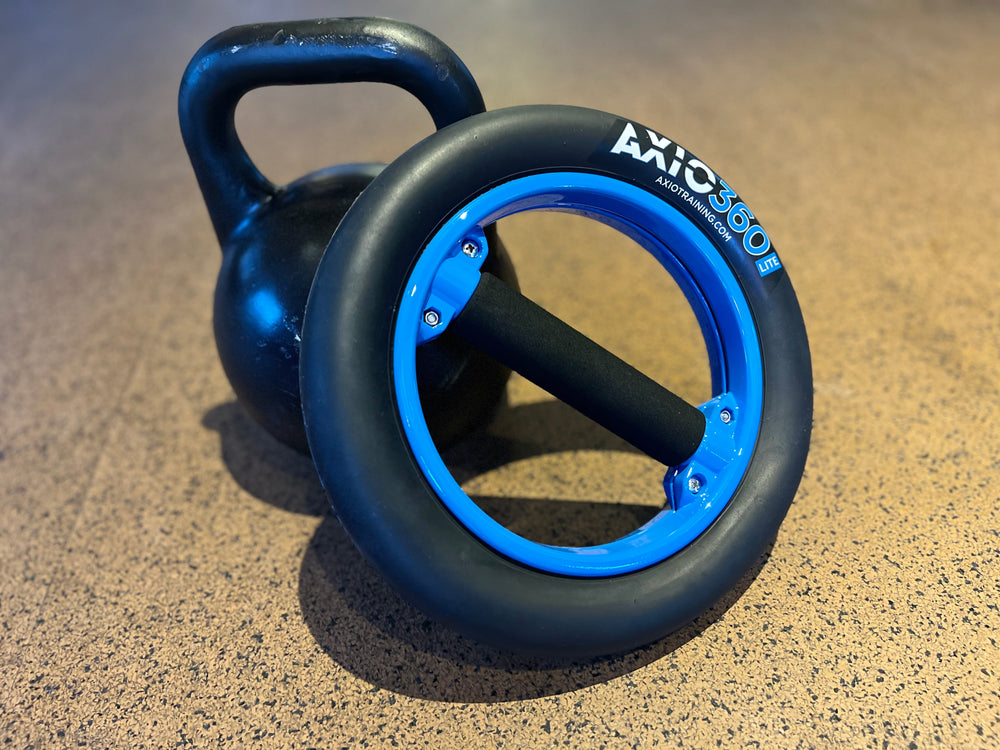
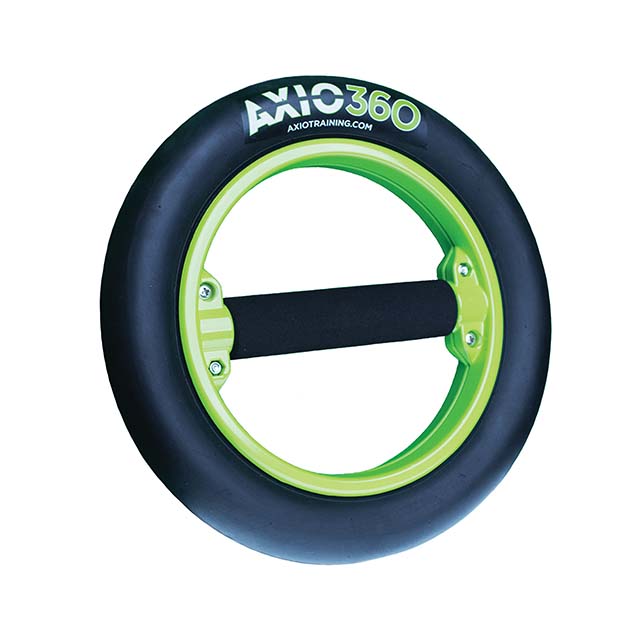
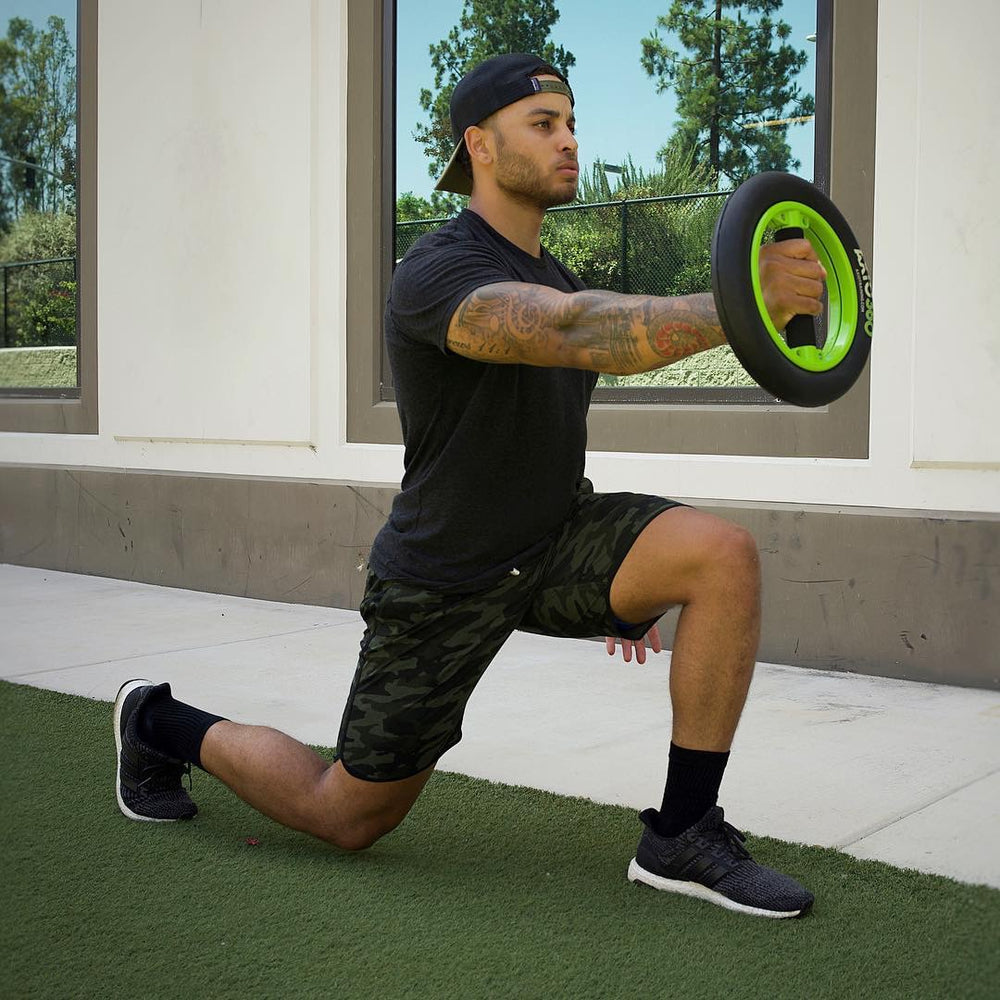
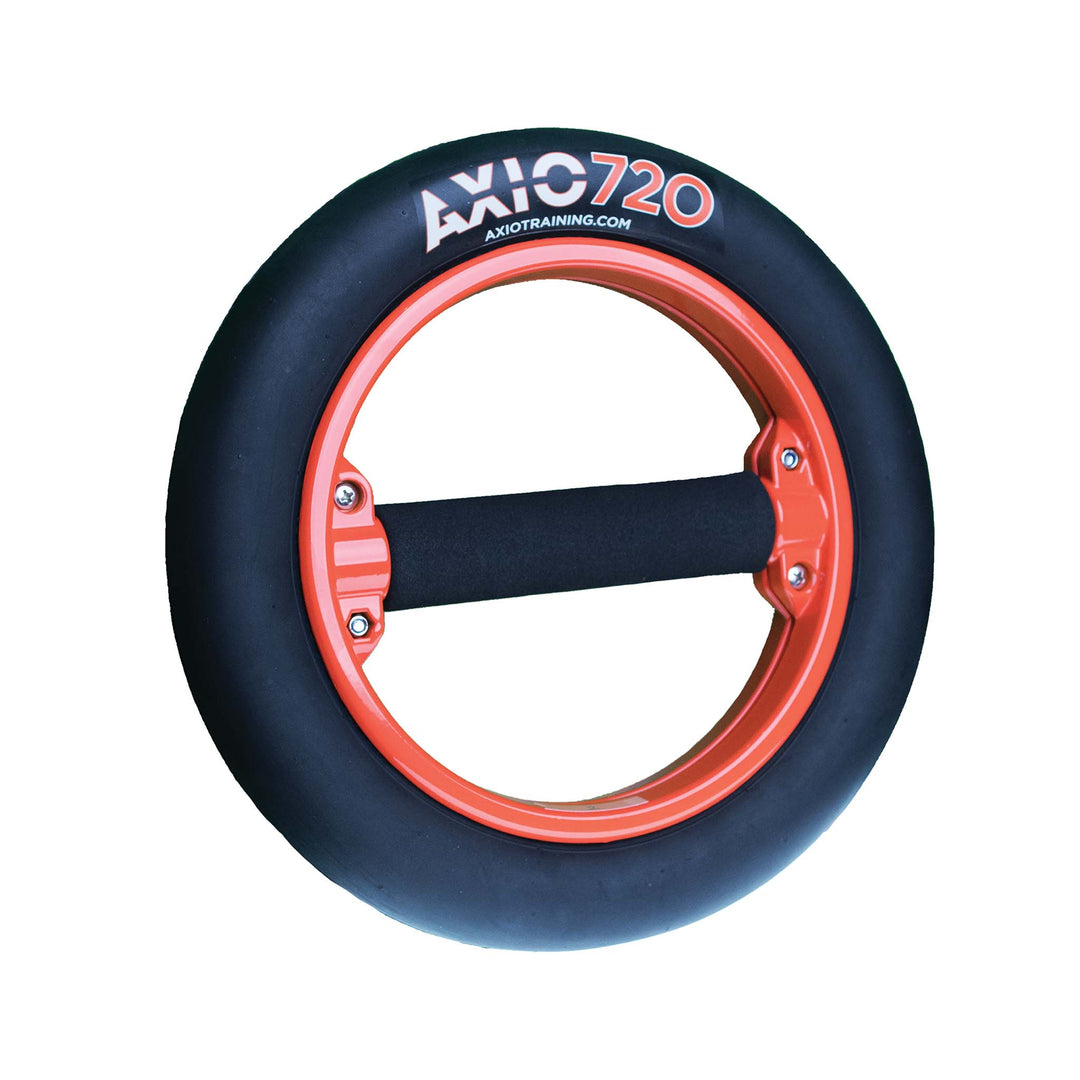
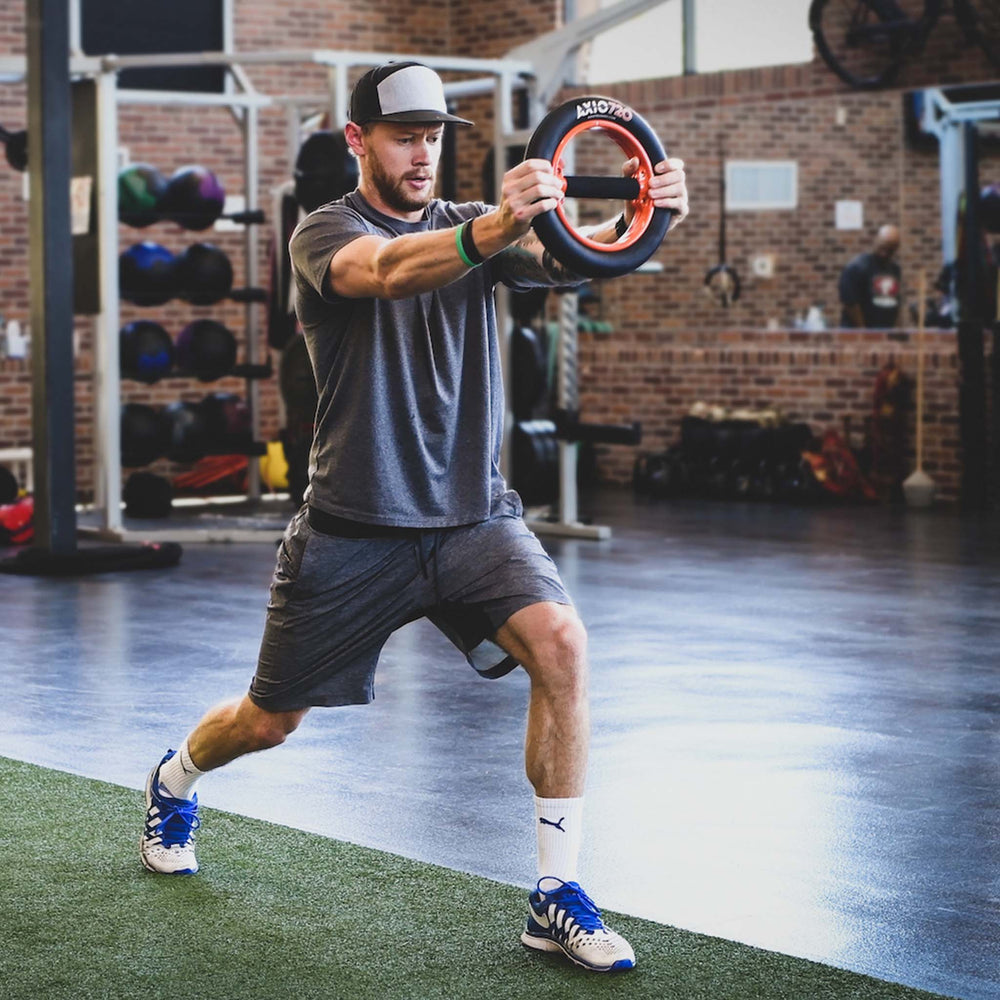
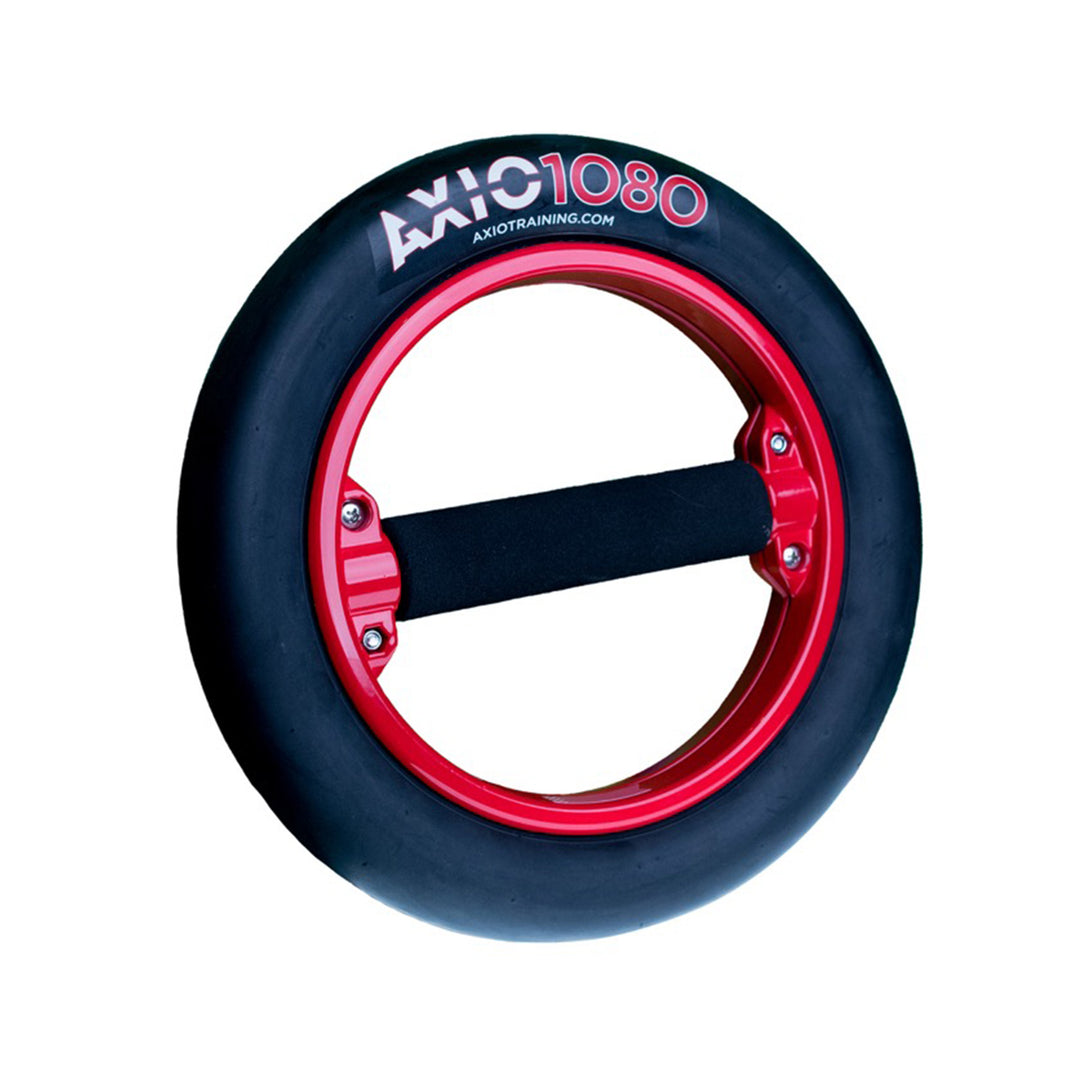
Today, AXIO Trainers are used by rehabilitation professionals, performance coaches, fitness enthusiasts, and athletes ranging from youth competitors to professionals.
What began as a search for better recovery revealed something much bigger: the same qualities that help people recover from injury are often the same qualities that help them perform, stay active, and move with confidence throughout life.
The mission remains the same:
To help people develop the strength, control, and confidence to move and perform at their best.
Strength is capacity. Control is performance.